


how we got here
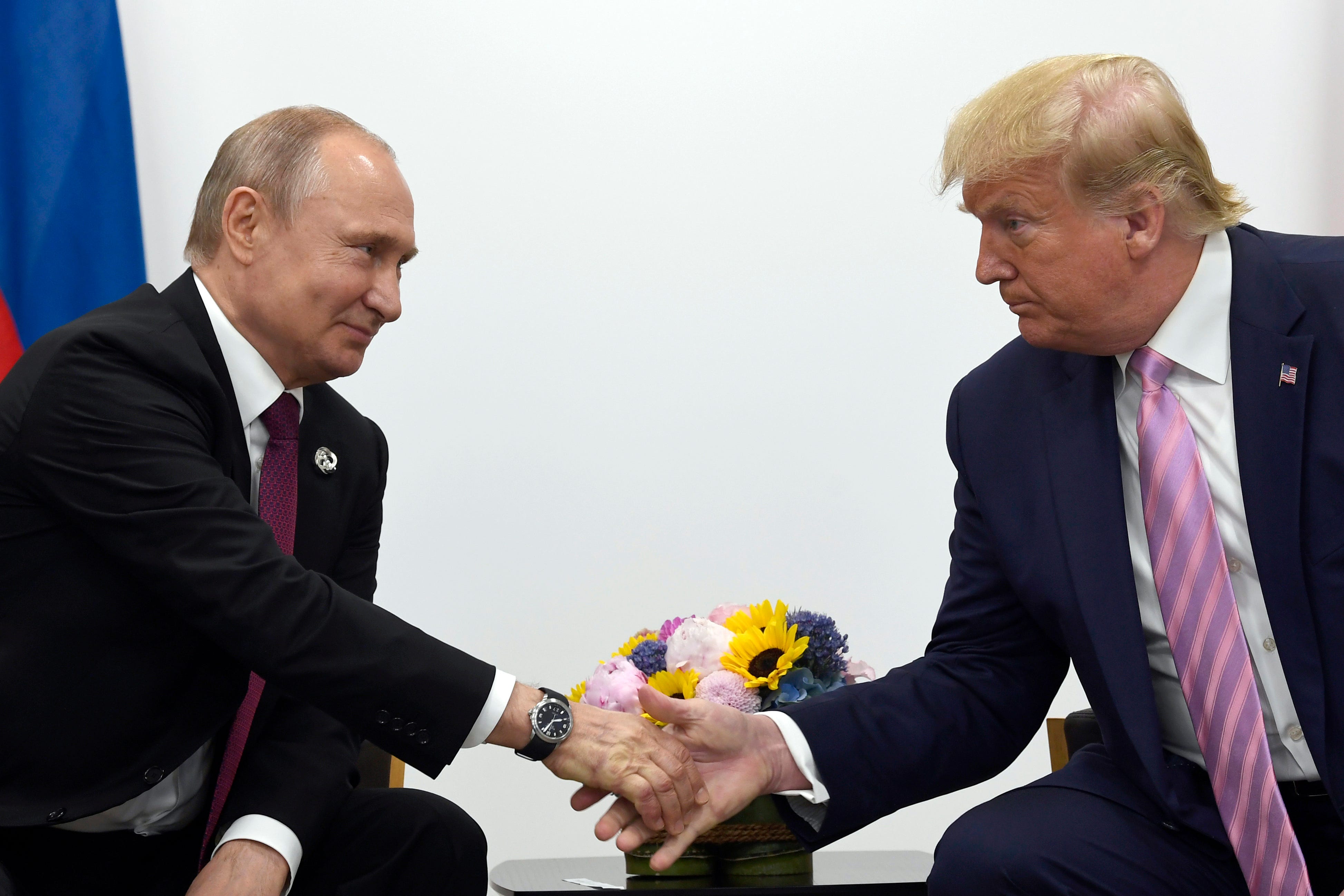
Together, Russia and the United States took down the fascist Nazi regime in WWII. During the Cold War, the U.S. and U.S.S.R faced off in a competition of technological innovation and military brinksmanship. Today, I question whether the United States will devolve into the same style of autocratic faux-democracy that Putin has installed to maintain his powerful grip on the Russian political system for over two decades.1
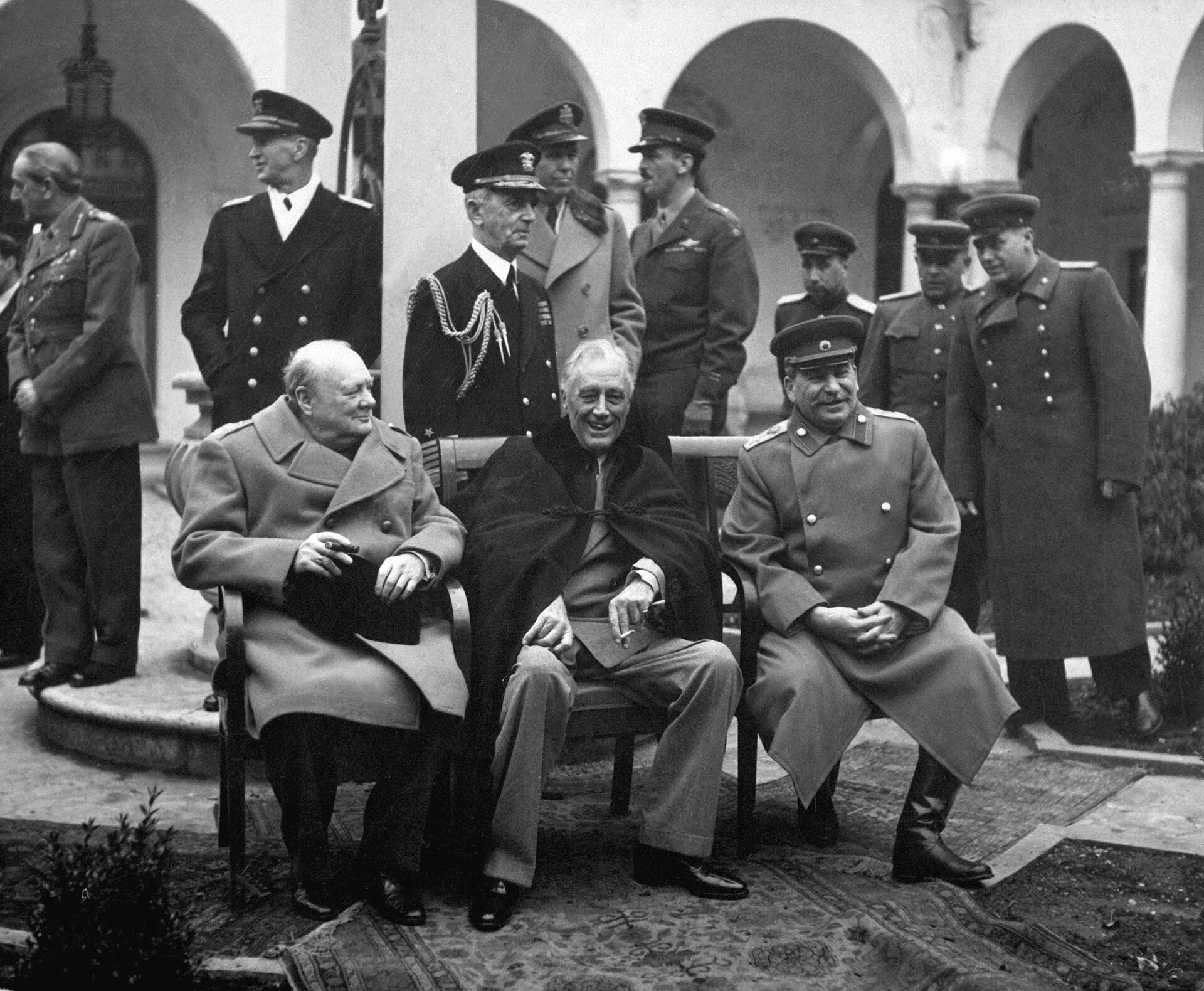
A century ago, the American public was unified behind the defense of liberal democracies, sacrificing its own youth on the battlefields of Europe and in the Pacific. Protecting democracies around the world became America’s modus operandi, and military victories were followed by military overextensions and prolonged wars - Korea, Vietnam, Somalia, Afghanistan, and Iraq.
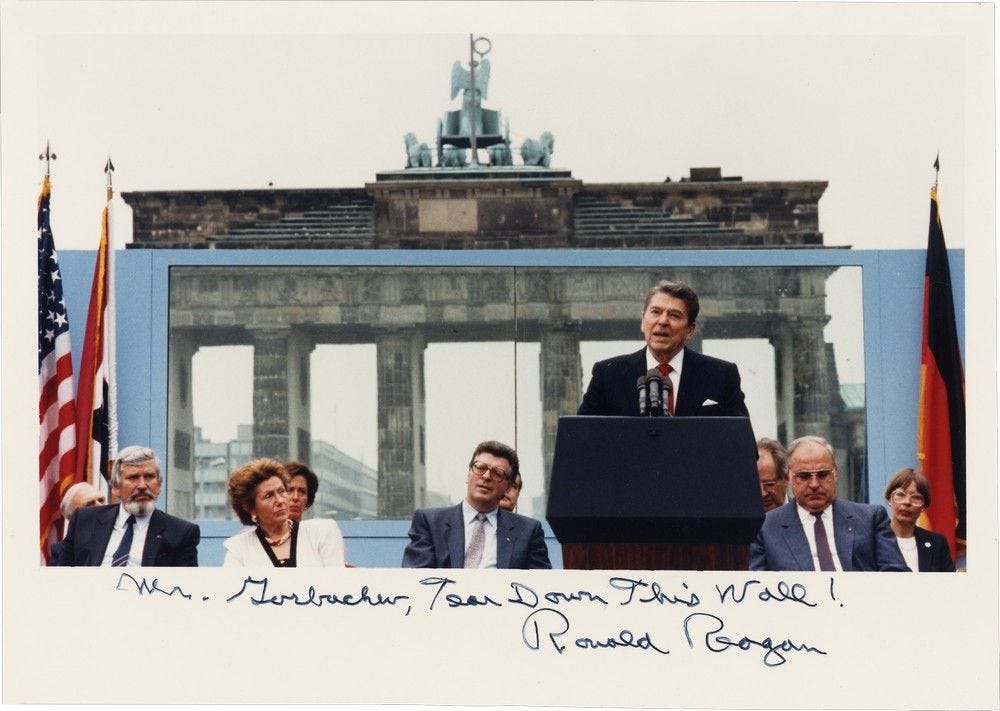
The Berlin Wall fell in 1989 during the peaceful revolution, marking the collapse of the Soviet Union, and ending the Cold War period of geopolitical bipolarity. Remaining stood a unipolar superpower in the United States to pontificate about democracy on the world stage. In January 1991, George H.W. Bush launched the Gulf War, a tactical strike that drove invading Iraq forces out of Kuwait by the end of the following month.
The quick success of Operation Dessert Storm reaffirmed the U.S. public’s belief in superior American military capabilities. Coalition-building also shined; although NATO was not directly involved in the Gulf War, it did support the U.S.-led coalition of 42 nations with naval and airspace coverage and coordination. With a balanced budget under President Bill Clinton, solid economic growth supported by a ballooning dot-com industry, and relative peace at home, the 90’s decade was mysteriously idyllic. Perhaps something to do with my birth in the middle of the decade, perhaps not.2
Coinciding with the dot-com bubble bursting, China entered the World Trade Organization in 2001, leading to two decades of offshoring U.S. manufacturing and importing cheap consumer products and supply chain components from Asia. It’s clear now that the economic gains from free trade had concentrated losers, like those in small one-factory towns or employed by other labor-intensive industries, undercut by under-regulated labor markets.3 Though not directly caused by globalization, the Great Recession of 2008-09 imparted widespread economic pain in America. In the years since, politicians from both parties have been scared to leave economic nationalism behind, even though protection of American-made products prioritizes nostalgia for the past over the economic possibilities of the future.

where we are
Attention to China’s WTO entrance quieted quickly when the terrorist attacks on 9/11/01 captured the world and shook its axis.
A quarter-century later, freedom from want and fear have been twisted by state and non-state media propagandists who have formed an efficient machine. Preying on the fearful and deprived by scapegoating low-wage migrants and trans people, the machine promotes a national scarcity mindset that boxes our country into a zero-sum game with Elon Musk.
Prediction / Spoiler - we all lose that game!
Americans and elected officials across the political spectrum voice support for a return to core principles of liberal democracy - fair elections, freedom of speech and religion, and freedom from fear and want. From the Bill of Rights to FDR’s Four Freedoms to the Civil Rights Acts, demands for expanded political, social, and economic rights have been central to America’s story.4 Measuring Americans’ commitment to these fundamental rights is challenging, though, in part because the public generally cannot recall the five freedoms guaranteed under the first amendment.
I personally combine assembly and petition in my head - maybe I’m not alone!
Chronically underfunded public education institutions combined with trends of social withdrawal and polarization leave Americans uninformed on the basic civil liberties underpinning both democracy and competitive markets.
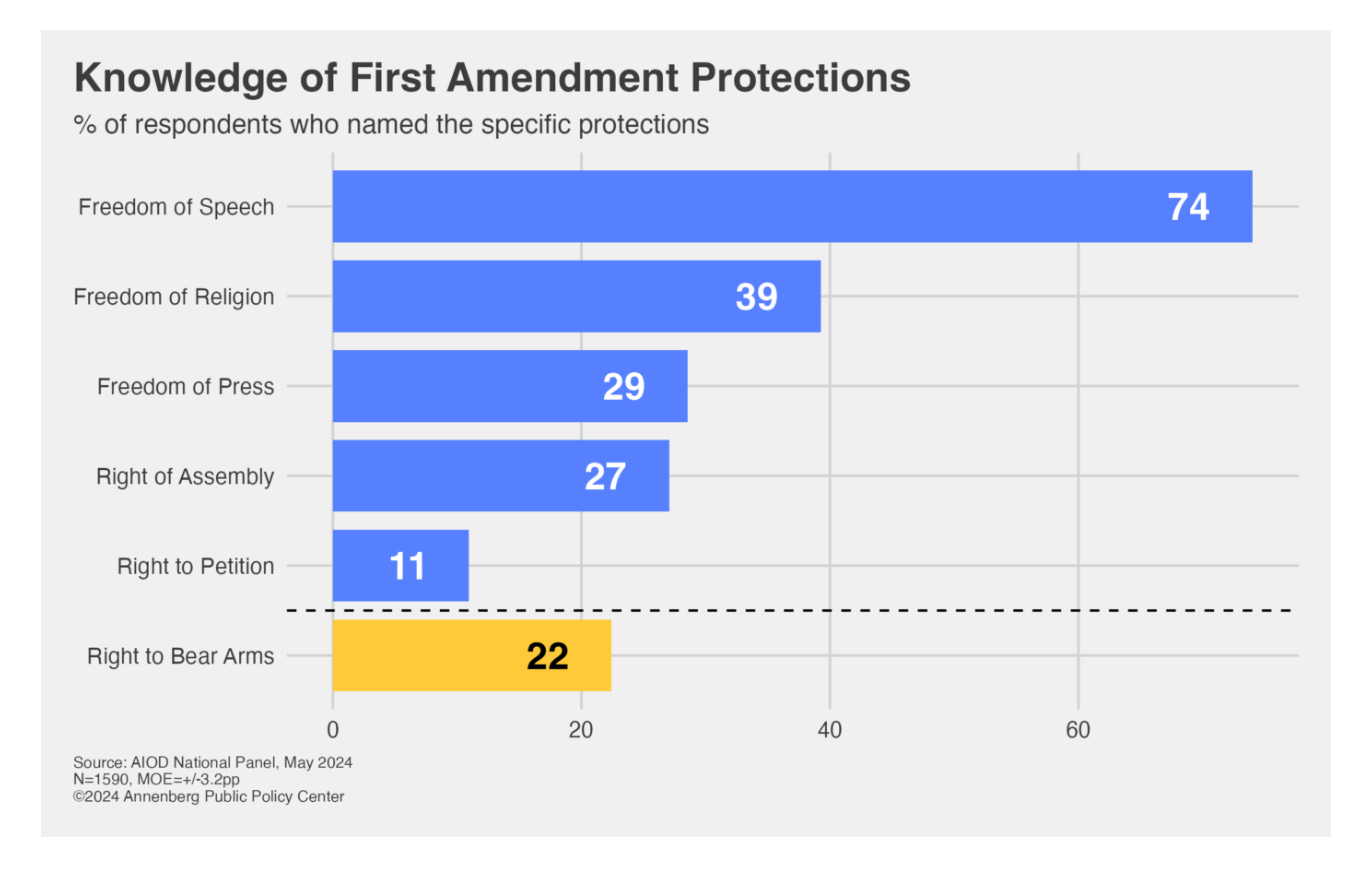
Ability to name a specific protection is one data point, correct interpretation is another. Over half of respondents (53%) thought it was accurate to say that freedom of speech means Facebook must permit all Americans to freely express themselves on the site, while nearly half (47%) said that is inaccurate. The First Amendment protects citizens from government action that silences free expression, but courts have ruled that private companies such as Meta and X are not covered. Companies remove content en-masse from their platforms each day to remove spam and hate speech that makes for an undesirable user experience. The constitutionality of public-private cooperation in identifying violations and enforcing content-moderation policies has been debated extensively (exhaustingly).5
Write-ups of last year’s Supreme Court decisions on social media regulation reveal how complex free-speech issues can get.6 Though public recall of free speech rights suggests they are valued, Americans may not interpret the Trump administration’s blatant censorship of institutions as a violation of free speech rights. Or, these actions may be perceived as not personally relevant, unworthy of rebelling against if retaliation follows.
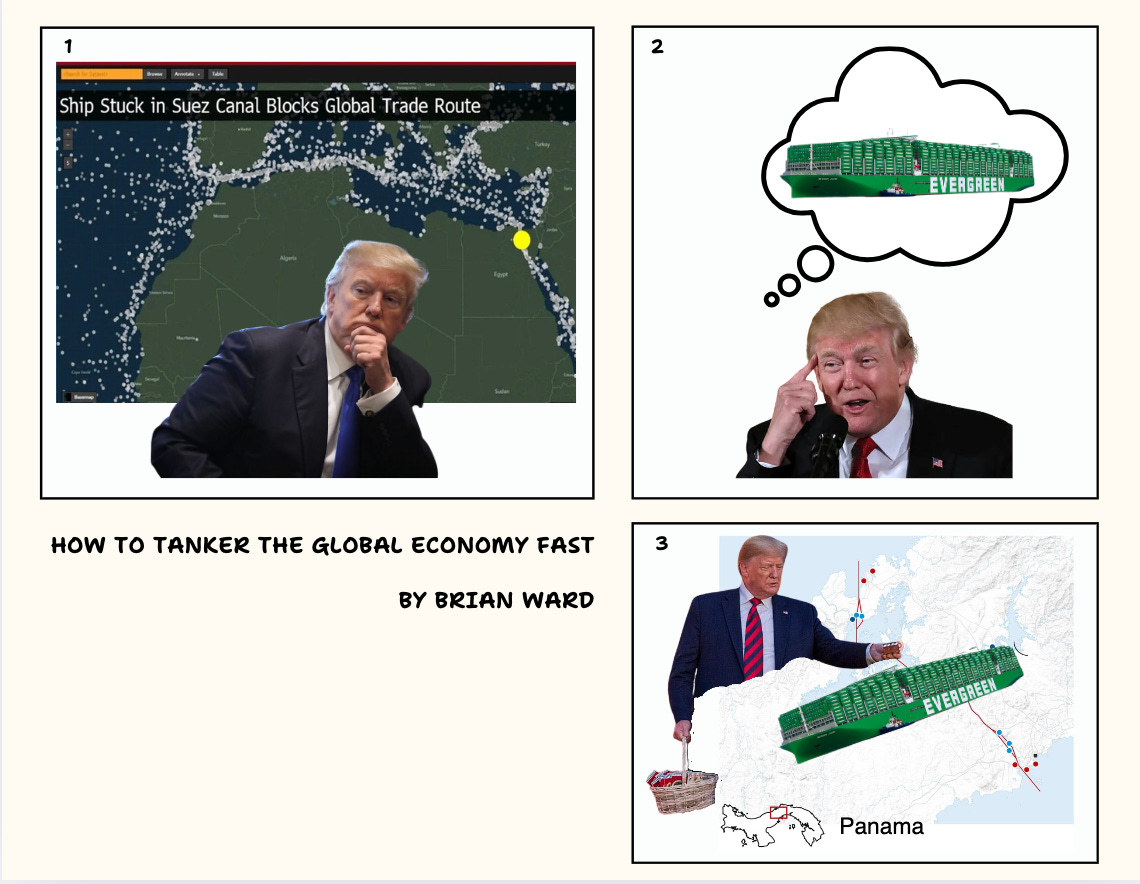
Donald Trump has thrown an American-made wrench into globalization, piling steel and foreign vehicle tariffs onto country-specific tariffs. Reneging on the trade deal he negotiated in his first term, and applying comparably weak tariffs to China, Trump employs a more combative approach with neighboring countries and “The West” in general. America’s isolationism aligns with the broader expansion and retraction pattern in U.S. foreign policy, but what are Trump’s personal and political motives for abandoning global democracy in Ukraine and Taiwan?
Trump has latched Americans distaste for post-9/11 interventions that extended through the Bush, Obama, Trump, and Biden administrations. The non-exhaustive intervention record includes Iraq, Syria, Libya, Yemen, Afghanistan, and highly contentious ongoing conflicts in Gaza and Ukraine.
As Jack Schlossberg explained on TikTok this weekend, by going easy on China and Russia, Trump is establishing new boundaries of non-engagement in a regionally-divided multipolar geopolitical landscape, expecting mutual inaction when the U.S. invades a sovereign country.7 The shift from isolationism to expansion and extraction will add new revenue streams essential to feeding Trump’s new world order, an attempt to pacify the American public as it loses freedoms and economic stability.
Unsurprisingly, the complexities of foreign affairs are lost on Americans. Historical pro-democracy arguments that received bipartisan support have lost Republican voices8, as voters lose confidence in the integrity of our democratic system for a myriad of reasons.9
Powerful threats to liberal democracy are rising in magnitude in the United States, Europe and Asia. Donald Trump’s return to power after winning the 2024 election is evidence that he’s reassembled a lasting American fascist movement. As defined by Roger Griffin in his 2019 book titled “The Nature of Fascism,”
“fascism is a genus of political ideology whose mythic core in its various permutations is a palingenetic form of populist ultranationalism.”
Let’s break down this definition to digest. Above I explained why Trump’s electoral political movement is a populist one, at least popular enough to win last year. Trump’s MAGA slogan and “America-first” policies are narratives founded in nationalist language and rhetoric, a political tool not necessarily dangerous in isolation.

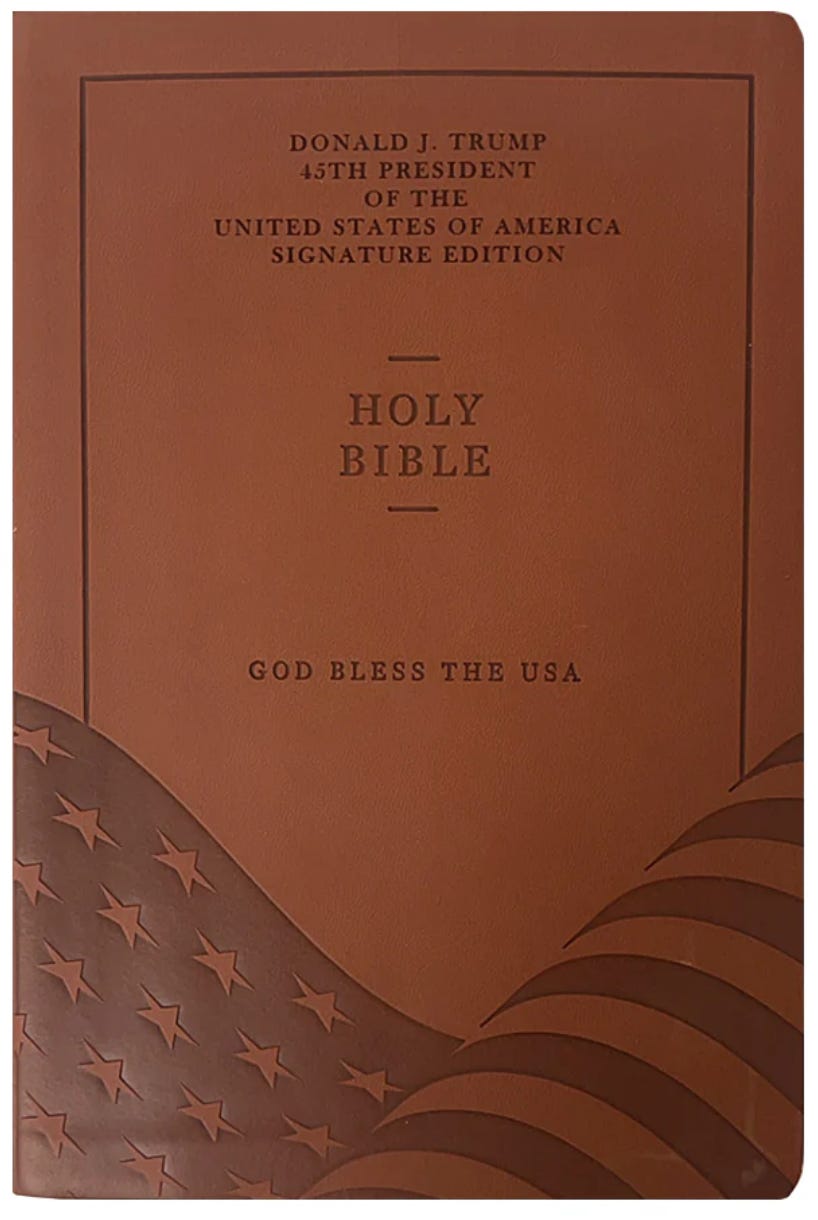
Ultranationalism, though, which places the interests of one state or people above all else, leads to horrific outcomes for those ostracized as aliens. Individual rights are sacrificed on an altar to false idols who stoke divisions, and who claim that curated, state-mandated, White Christian lifestyles will lead to a prosperous nation, divinely guided by Donald Trump and his branded bible.10
Ultranationalism has erupted in the form of the hateful, anti-immigrant, anti-racial minority, anti-woman, anti-veteran, anti-disability access, anti-LGBTQ+, anti-free speech, anti-democracy actions perpetrated by the Trump administration. Trump’s ultranationalism playbook combines mass incarceration and deportation with an increasingly narrow and legally arbitrary definition of “real American” citizenship. Migrants and those suspected of gang membership may be the first group stripped of due process, but they won’t be the last. The Trump administration has already violated the legal rights of green card holders and naturalized citizens.11 Enacting constitutionally questionable policies, the Trump White House rationalizes its selective punishment of immigrants and political dissidents by citing blanket “national security” concerns that serve as a catch-all. When we hear the words national security, we should hear “ultranationalism enforcement.”
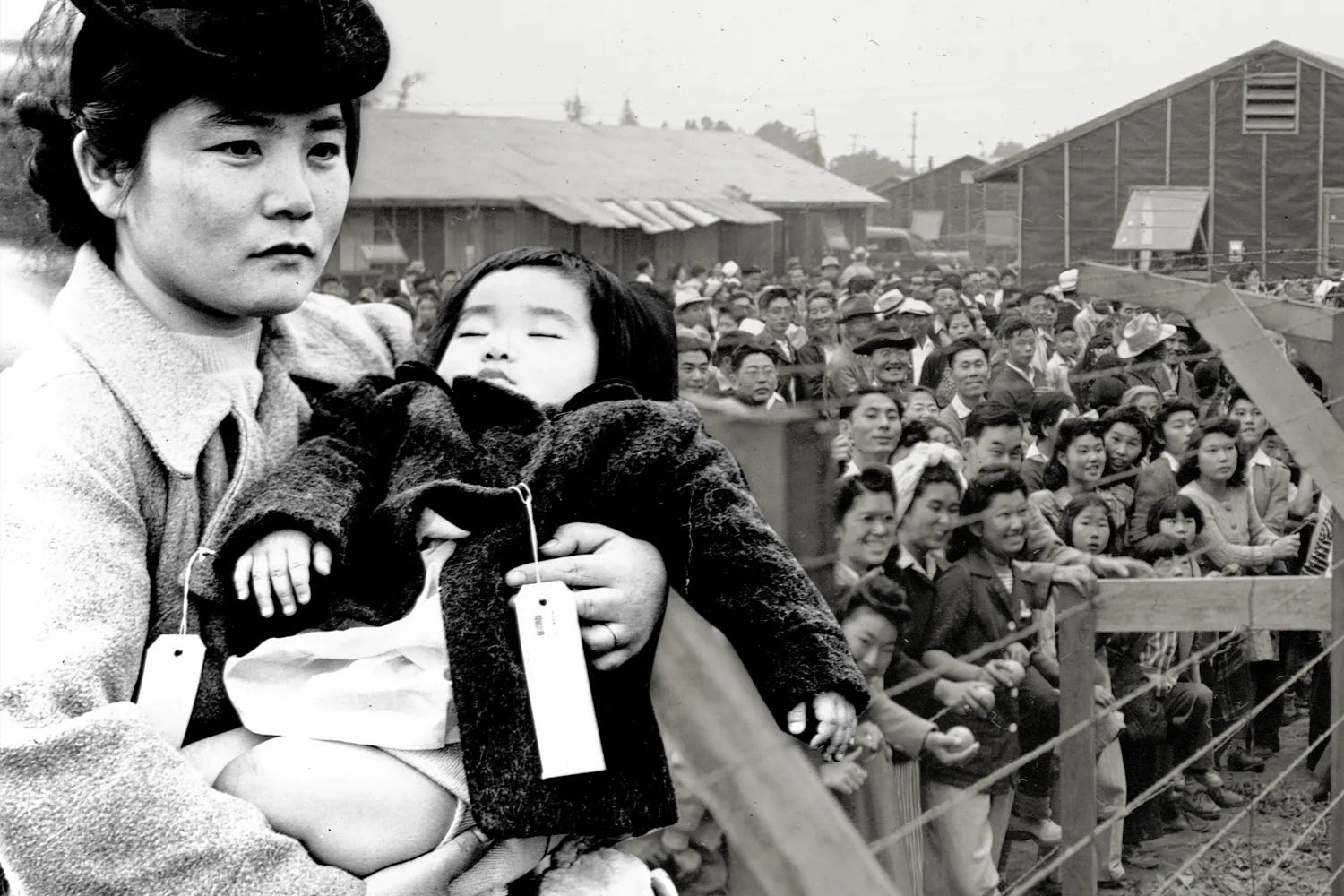
Yes, these are the consequences of elections. Still, popular institutions such as slavery, Jim Crow, and Japanese internment in the United States have obviously violated individual liberties since our nation’s founding. The country’s ability to collectively acknowledge and rectify these wrongs leads to enfranchisement and ultimately belonging, which occurs when activists build a coalition powerful enough to influence state and non-state decision-making, allowing for new groups to live and thrive in mainstream culture.
Ok, so what the hell does “mythic core in its various permutations is palingenetic” mean? In the MAGA context, palingenetic refers to a national rebirth, a yearning to revive a golden era - when fundamental rights were further from universal, long before the enfranchisement of Black women or transgender Americans. Because this reborn American utopia is mythical in nature, it can easily be intertwined with multiple religions that fall under the broader umbrella of Christianity. The mythology, not so constrained by logic or consistency, can also morph to enfranchise non-white followers or nonreligious conspiracists.12
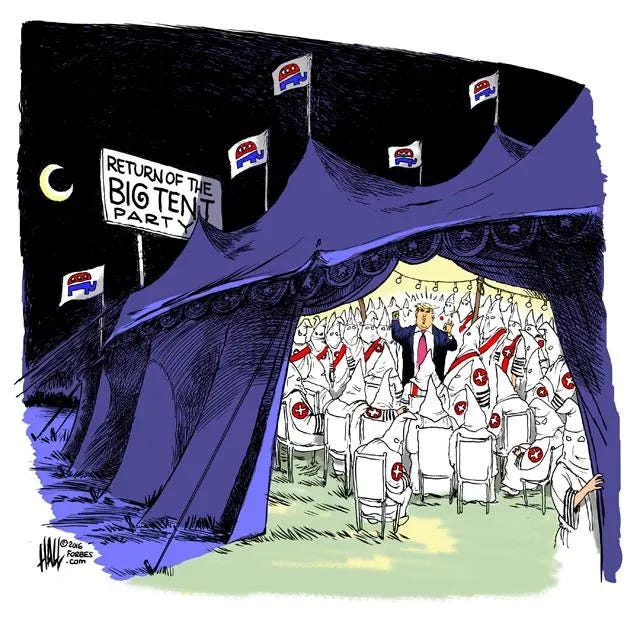
Though hate in America is not new, it continues to corrode our political system and cause new leaks to spring each day. As we patch holes and mitigate immediate harm, we eventually have to plunge the hate from America’s pipes. We don’t need a rebirth, we need a snake and some drain - o.13
where to go from here
Effort spent pushing restorative justice through a clogged-toilet-of-a-system is futile and resource-draining. These critical efforts can proceed through non-government channels until a rules-based, single-tiered justice system is realized. Current governance gaps give private actors the opportunity to abuse vulnerable groups, and an even greater responsibility to behave ethically on their own accord. A two-pronged, sector-based strategy will deliver the most good under present volatility and constraints.
Institutional norms and laws are regularly tested or ignored to determine the acceptability of violated freedoms. Balancing on a tightrope, we must learn lessons from history without letting our nation’s unjust past and present freeze our response to immediate danger. Only then can a focused and unified pro-democracy coalition stand to counter Trump and categorically lower risk for all groups. Drawing a strong red line around non-acceptable fascist behavior, popular counterprotest against the state and its co-conspirators can limit the expansion of fascism.
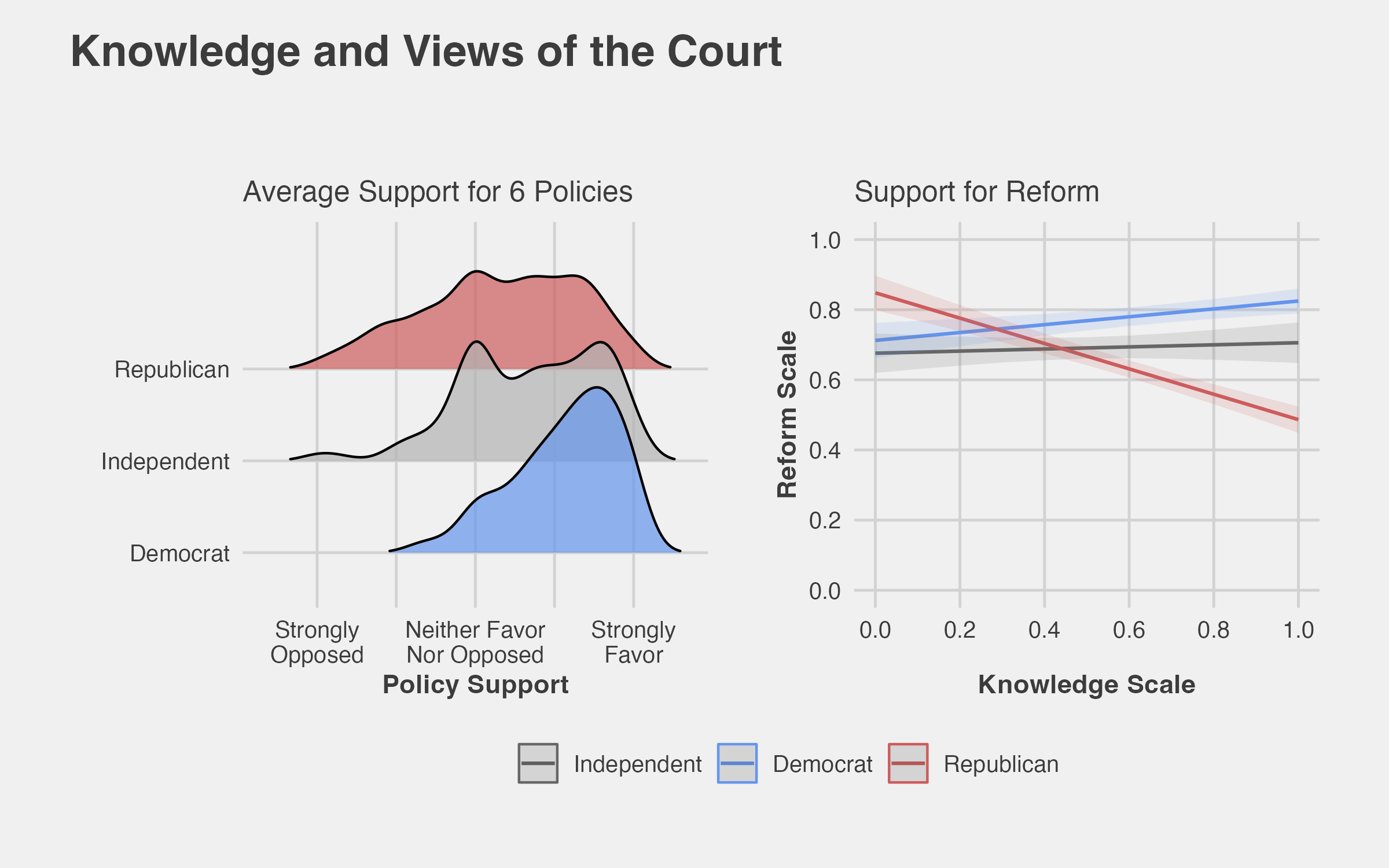
Looking back to the Annenberg School report, we can gauge how different political ideologies may support future good governance reforms. Inferring from the chart below, we find that knowledgable republicans view court reform as a relative loss, while knowledgable Democrats and Independents, as well as less knowledgable Republicans, view court reform as a relative gain. This suggests that court reform, and perhaps other reforms to strengthen democratic integrity, draws cross-party appeal, but is muddied by partisan messaging, politics, and self-interested behavior.
Freedom from fear and want are still cornerstones to the messaging needed to break through to the American people. Emphasize that authoritarians are more fearsome than asylum-seekers, and that sustained investment in developing communities will generate better returns than trade wars, speculative crypto-currencies, and tax cuts for the one percent.
At some point the Trump Administration will inevitably disturb enough Americans to provoke a popular resistance movement. Social Security checks could bounce, Trump could order an invasion of Greenland, or Oligarchs may inherit greater control of public goods while exploiting the working class and impoverished. These plausible scenarios will undoubtedly lead to unpopular outcomes and resistance.
The cause of social, political, and economic collapse - Trump - will not be clear to everyone. When quality of life declines due to bad policy, autocrats double down on blaming minority groups.14 Get ready - the remedy to America’s sickened state will be found beyond its borders in the form of precious resources that can be acquired by force. Under these pretenses, Canada, Greenland, and the Panama Canal could be raided. The ultranationalist propaganda machine will rationalize the previously unimaginable to the masses.

JD Vance’s recent trip to Greenland was received by locals as a threat.15 Americans should take the perception of our leaders seriously and respect the sovereignty of our neighbors. Democracy and Russian imperialism cannot both exist, just as democracy and American imperialism cannot co-exist.
Putin’s deadly invasion of Ukraine serves his ambition to return Russia to a golden era of imperialism by conquering former-Soviet territories that have since formed liberal democracies. In Putin’s image, Trump has threatened annexation of Greenland, Canada, and the Panama Canal. He renamed the Gulf of Mexico to the Gulf of America, confirming that his definition of nationalism extends beyond current U.S. borders to a broader American continent, foretelling a return to colonialism and empire-building. It’s the Monroe Doctrine on Cialis and cocaine.
Secretary Marco Rubio’s State Department has hidden Russia’s war crimes from the public, removing catalogues intended to bring about justice for crimes against humanity. Censored materials include reports from the Ukraine Conflict Observatory published by Yale’s Humanitarian Research Lab, which collects evidence to bring to court. Immediate, reparative justice, like returning trafficked Ukrainian children to their parents, hinges on the preservation of the Observatory’s work and ongoing investment.
The boldest violations of sovereignty and human rights may trigger louder outcries and dissent, but future waves of incarceration and deportation will focus on crushing those who speak out. Those who stand between the state and its victims will be painted as enemies of the state by a broad-sweeping and powerful brush, just like pro-Palestine activists. To win the fight, paint in the eyes must be anticipated.
It’s time to dispense the globalism goggles to protect ourselves from unpatriotic paint and pepper spray as we plunge out hate from America’s pipes.
I don’t take credit for the Third-Way bureaucracy that weakened the social safety-net, or the Harry & Louise ads that killed universal healthcare
The United States has never adopted United Nations Resolutions on social and economic rights, citing sovereignty concerns and U.S. exceptionalism to these foundational human rights covenants.
Chuck Schumer’s move to cooperate with the fascist movement and fund Trump’s budget is misaligned from the Democratic party’s “democracy is in danger” message. Arguing for democracy isn’t the same as fighting for it.
Democrats are unwilling to contradict themselves because their voter base is too educated for its own good, and someone always squeals when bigots, misogynists, and Nazis show up to the party (ok, maybe not everyone should be welcome at the liberal democracy party, but you get my point).
No, not for that!